
Japanese Stone Lanterns (Toro) – The Special Decoration for Your Japanese Garden
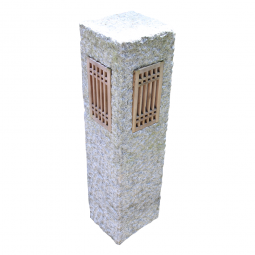
Path Light - Michi Shi Rube Type Ii
Japanische Wegelampe, Granit grau, gestockt Mit 4...
€199.00 *
Content: 1
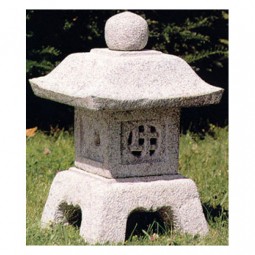
Stone Lantern - Uzuki
Granitleuchte Uzuki 4 Teile Bei diesem Artikel handelt...
From €159.00 *
Content: 1
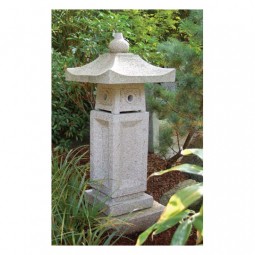
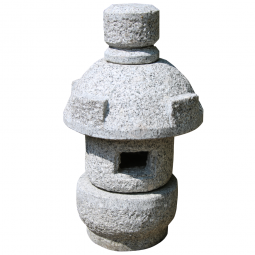
Granite Lamp - Misaki
Japanische Steinlaterne Misaki Misaki bedeutet Kap oder...
From €149.00 *
Content: 1
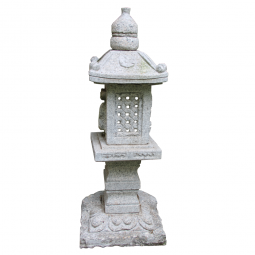
Stone Lantern - Kakudai Kuku
Die Granitleuchte Kakudai Kuku ist eine reich verzierte...
From €349.00 *
Content: 1
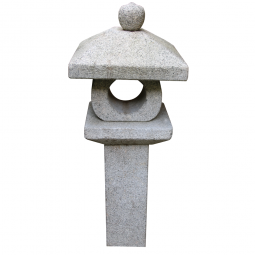
Stone Lantern - Takimi
Traditionelle, aber modern anmutende Steinlampe, die...
From €225.00 *
Content: 1
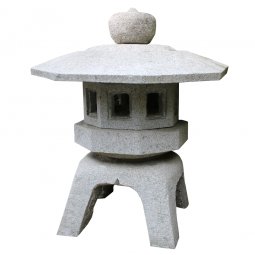
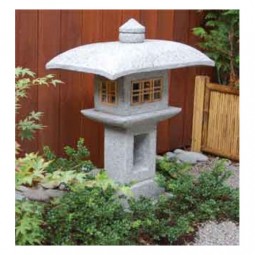
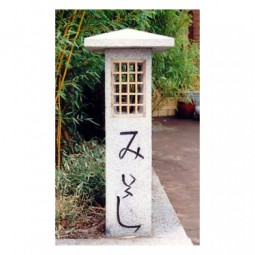
Stone Lantern - Miyoshi
Lieferbar ist diese Granitlampe in 3 Größen von 75 bis...
From €249.00 *
Content: 1
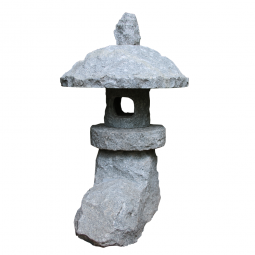
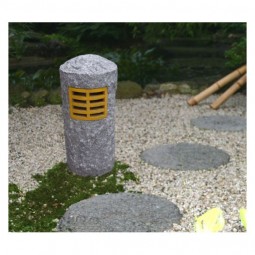
Path Light - Michi Shi Rube Type III
Japanische Wegelampe, mit Holzfenster Diese...
From €79.00 *
Content: 1
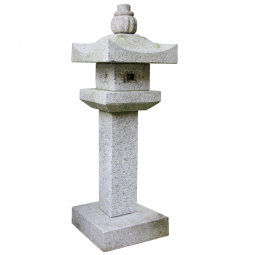
Stone Lantern - Katsura
Japanische Steinlaterne, Granit, gestockt, durchbohrt...
From €179.00 *
Content: 1
Japanese Stone Lanterns (Toro) – The Special Decoration for Your Japanese Garden
The history of the Japanese stone lanterns began in China, where lanterns were for the first time made of cast iron. In Japan, stone lanterns were established by the tea-masters of the tea gardens. In addition to the stepping stones they were one of the most important elements of a garden. Since tea ceremonies are often held in the evening, they guided the guests on their way to the teahouses. Prefered were lanterns made of soft and rough stones. However, as these were not durable to withstand adverse weather conditions, the material was converted to granite. Today there are many kinds of lanterns available which offer a fantastic addition to any garden, even during the day.
Almost every lamp consists of several parts. Starting with a "cap" on top. Then follows the "roof", which rests on the "light box", which rests on the "lantern plate".The Lantern is connected to ground by its shaft with its "bed plate". Exception to the rule are the so-called "Ikekomi-gata", the "dug-in lanterns". They have no base and are buried with the shaft.
Granite is an extremely hard and solid rock, made to resist every kind of weather. Each of our lanterns consists of several parts that had to be chisled out by hand like the small window frames in the light box.